AMERICA’S YARN STORE
I’m teaching the following fOUR classes. For registration details, click here.
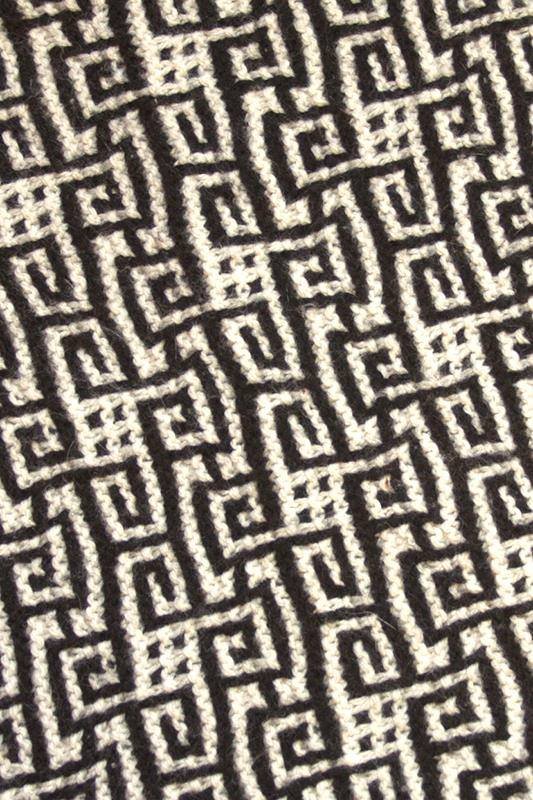
Colorwork the Easy Way!: Mosaic Knitting
Slip-stitch patterns can boast amazing colorwork without the hassle of stranding or working with multiple colors in a row! Stunning results such as intricate mosaic designs, textural colorwork such as houndstooth, and more are in your future. Along with the basic mosaic knitting technique for garter and stockinette, learn to predict when combinations of variegated and solid color yarn work together and when they will not, and how charts are written and read differently for mosaic knitting. Practical tips about navigating the technique and advice regarding the best uses for mosaic knitting are included. Also covered are examples of adding slip stitch to basic garter and progressively adding one, two, and three colors to achieve stunning colorwork results with so little effort.


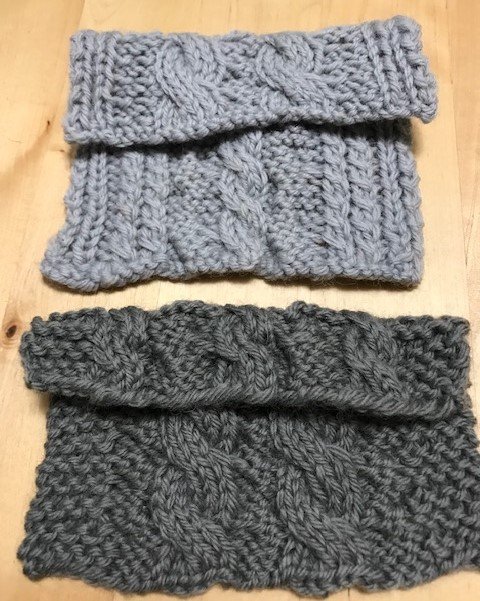
fLIPSIDE AWESOMENESS: REVERSIBLE CABLES
Cables are lovely…until you flip them over. Now learn how to make them reversible! Learn what can and cannot be reversed, and two methods in developing reversible cabled fabric. Many examples of cables—rope, lozenge, celtic braid, horn and more—are covered with step-by-step examination and in-class exercises to convert them to reversible. Participants will be given several reversible sample stitch patterns to knit up.


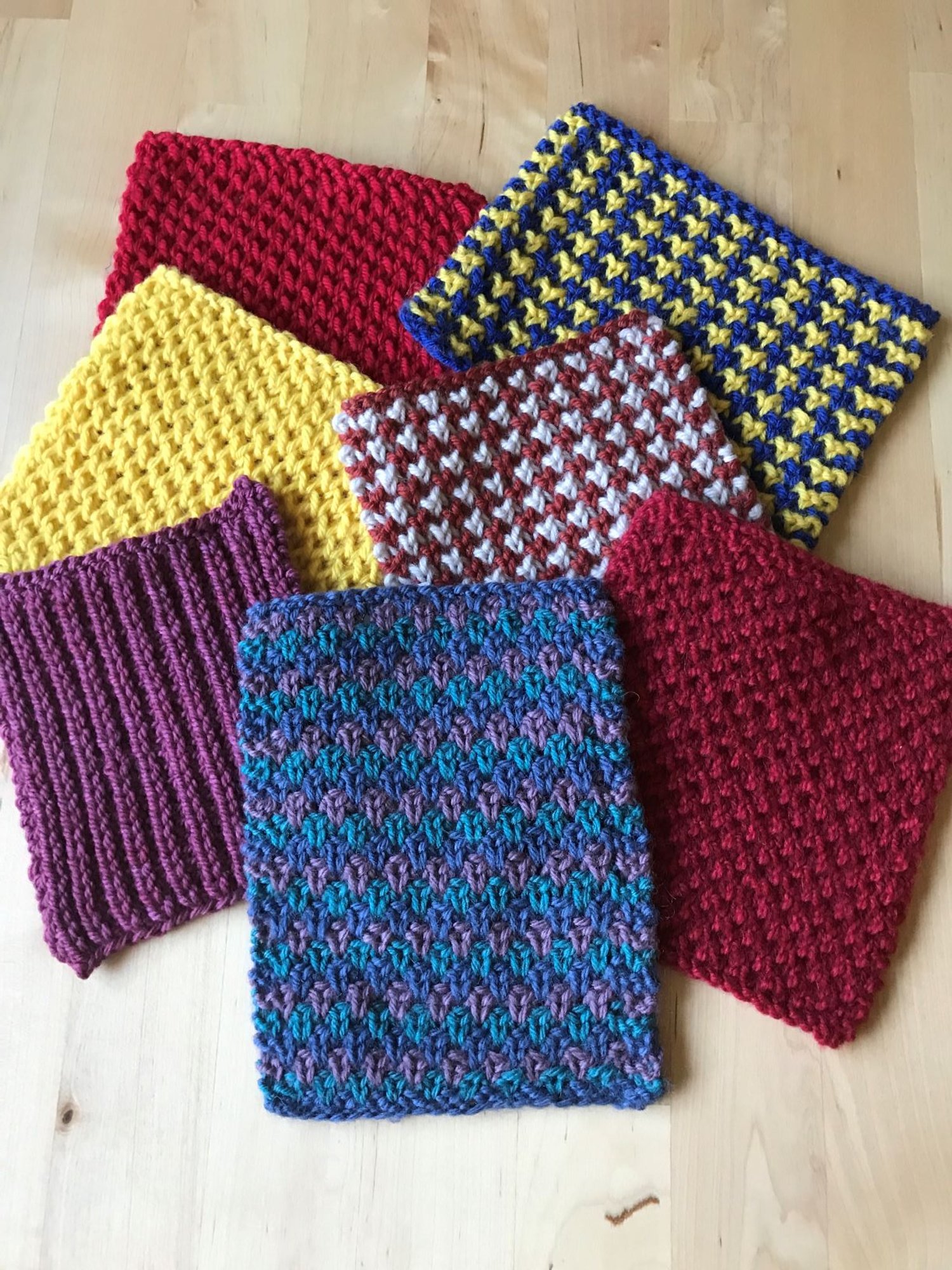
I’ll put a hex on you! Hexagon Stitch and other Knit One Below Textures
Knitting in the stitch below (K1B) is a stitch that creates a wide variety of textural interest. We will learn and practice the K1B technique on a one-color Twisted Moss pattern practice on a two-color check pattern and other 1, 2, and 3 color textures, and then move on to the more complex hexagon stitch, practicing it flat and in the round on a cowl project. Also, a complex 2-needle cast-on will be taught appropriate for the hexagon stitch and any other expansive knitted fabric, along with appropriate bind-offs demonstrated.


Short Row Magic!
Inserting short rows can create angles and curves, making shaped knitted shawls, angles on garments, and additional shaped ease in areas like busts. In this class, you will learn and practice three methods of short rows: Wrap and Turn, Japanese, and German. Examples of applications with worksheets will be discussed, such as sloped shoulders, short row sleeve cap, and adding extra fabric for the bust area.
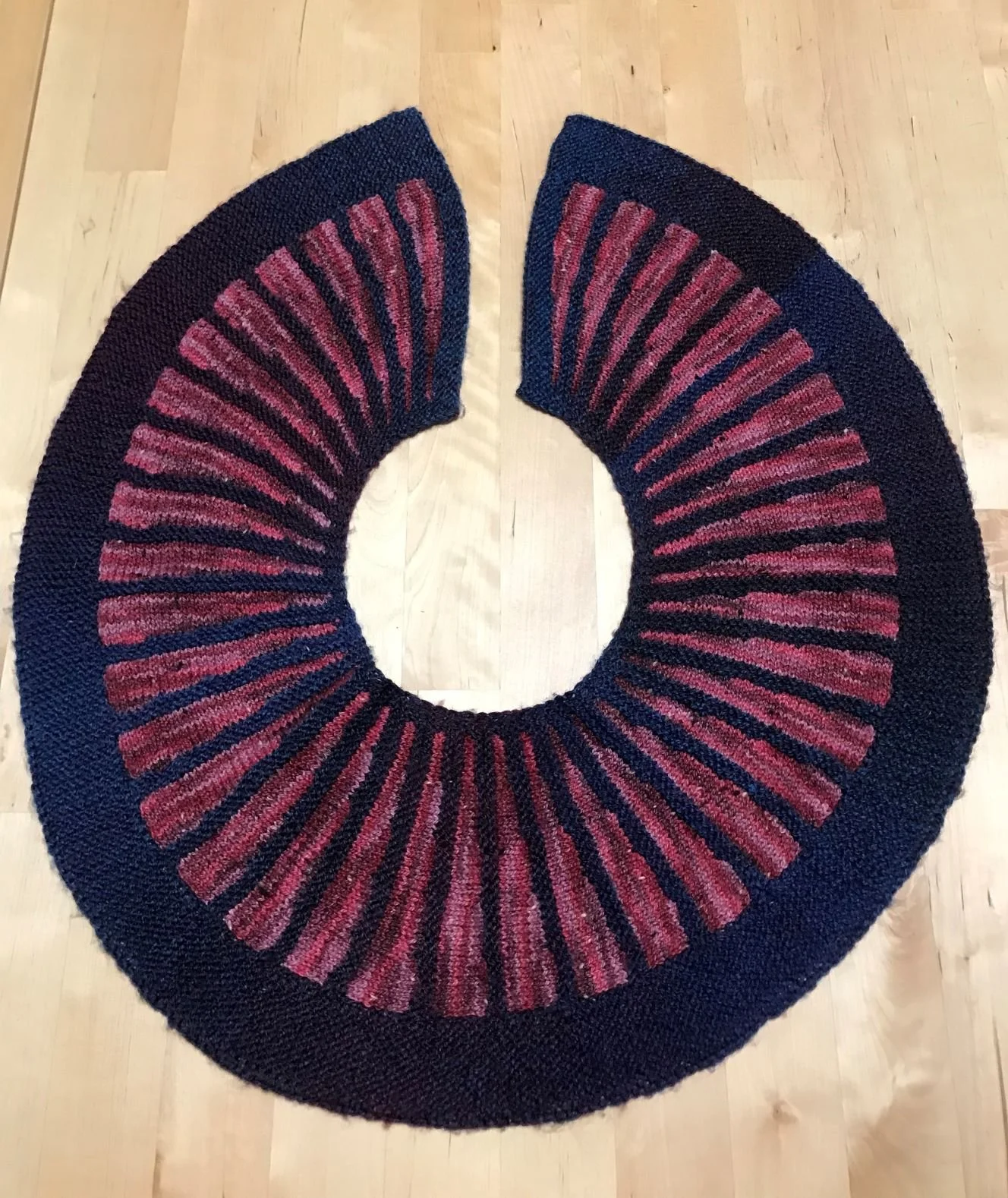
Spectra by Stephen West
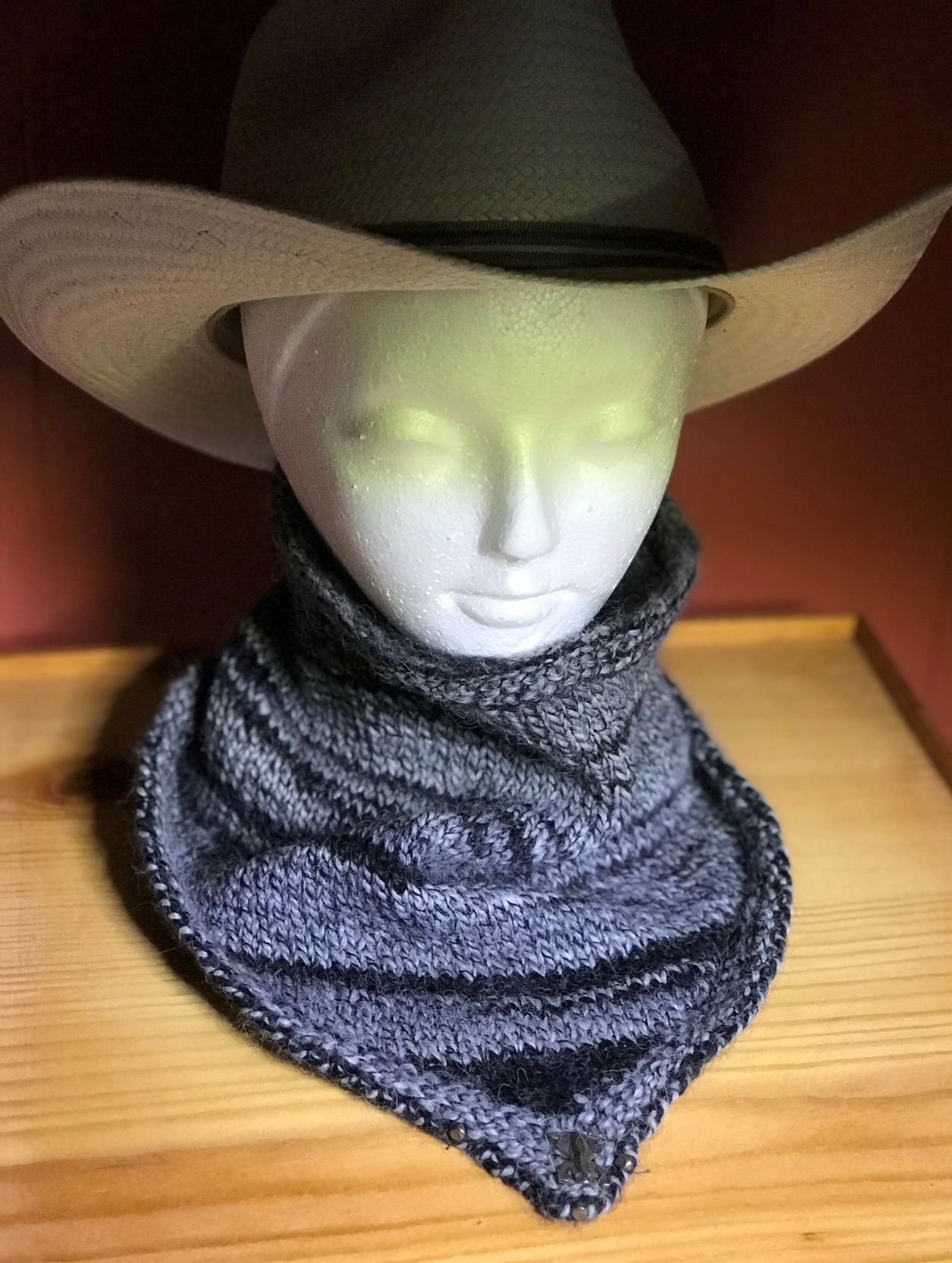
Bandana Cowl by Purl Soho
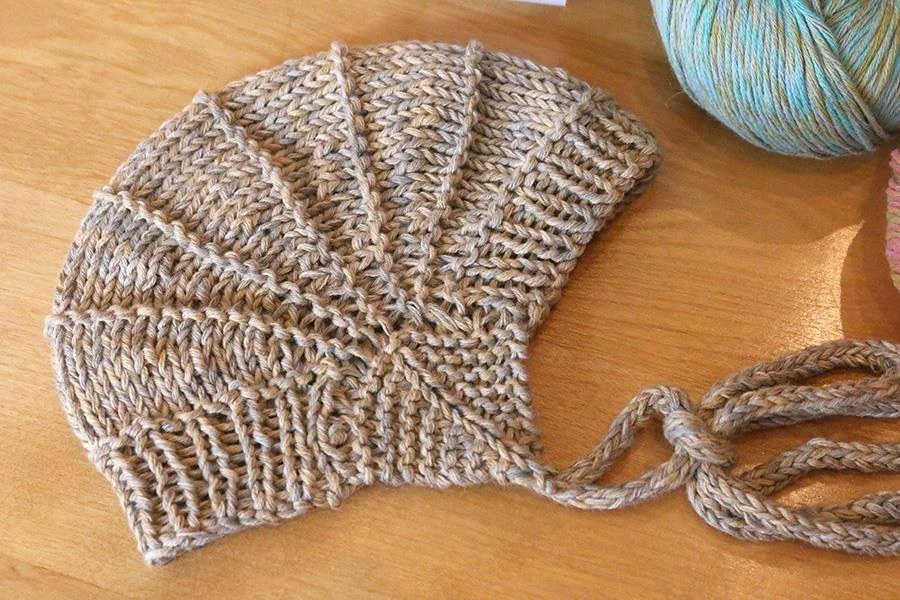
Aviatrix hat by Justine Turner
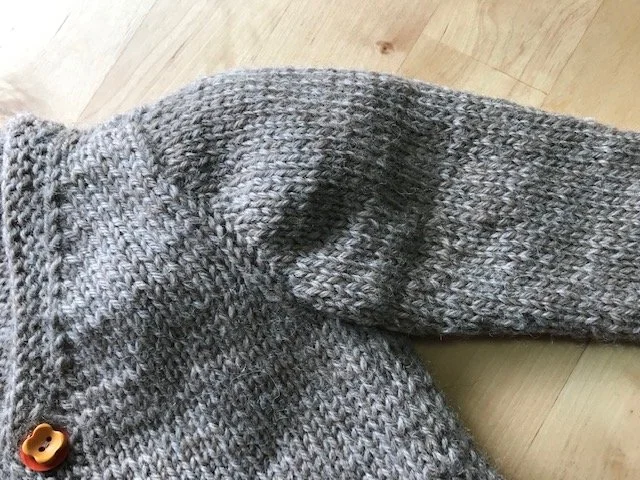
Short Row Sleeve Cap—no more grafting a sleeve top into an armhole!